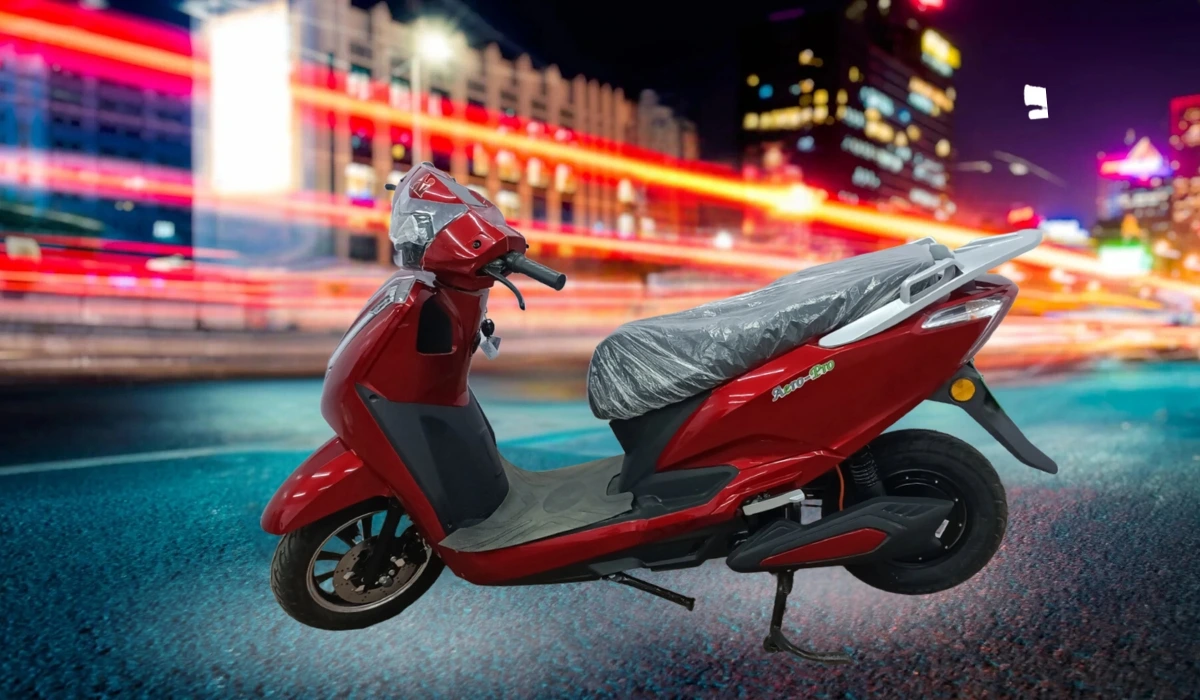
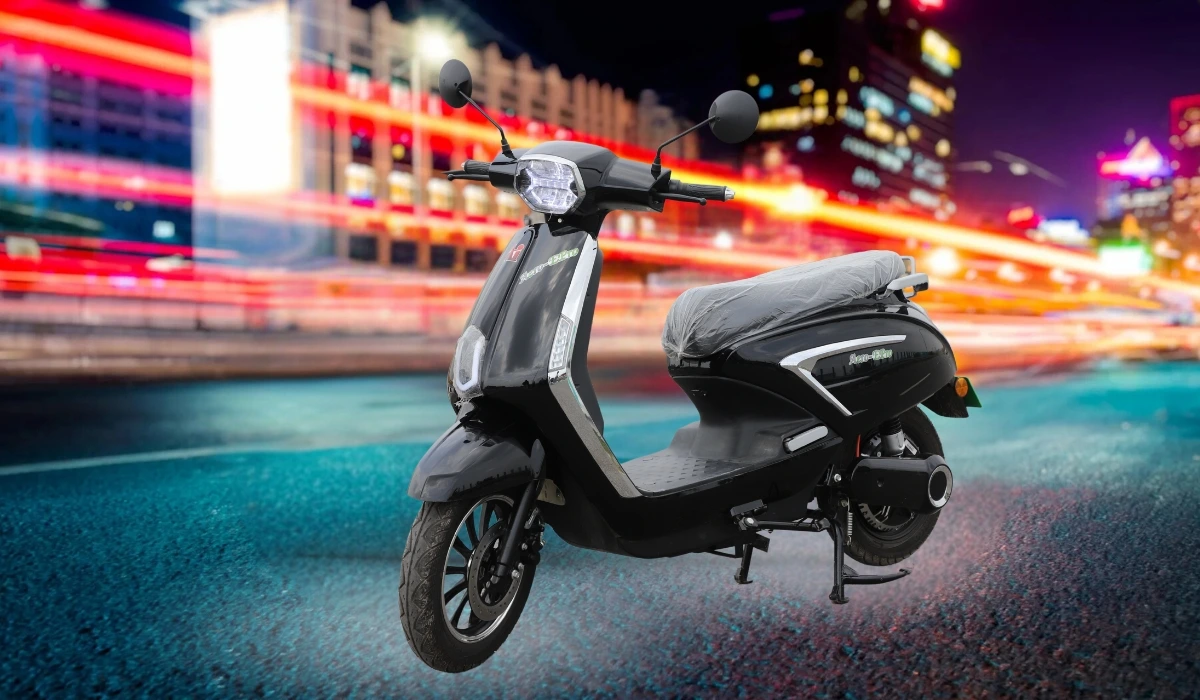
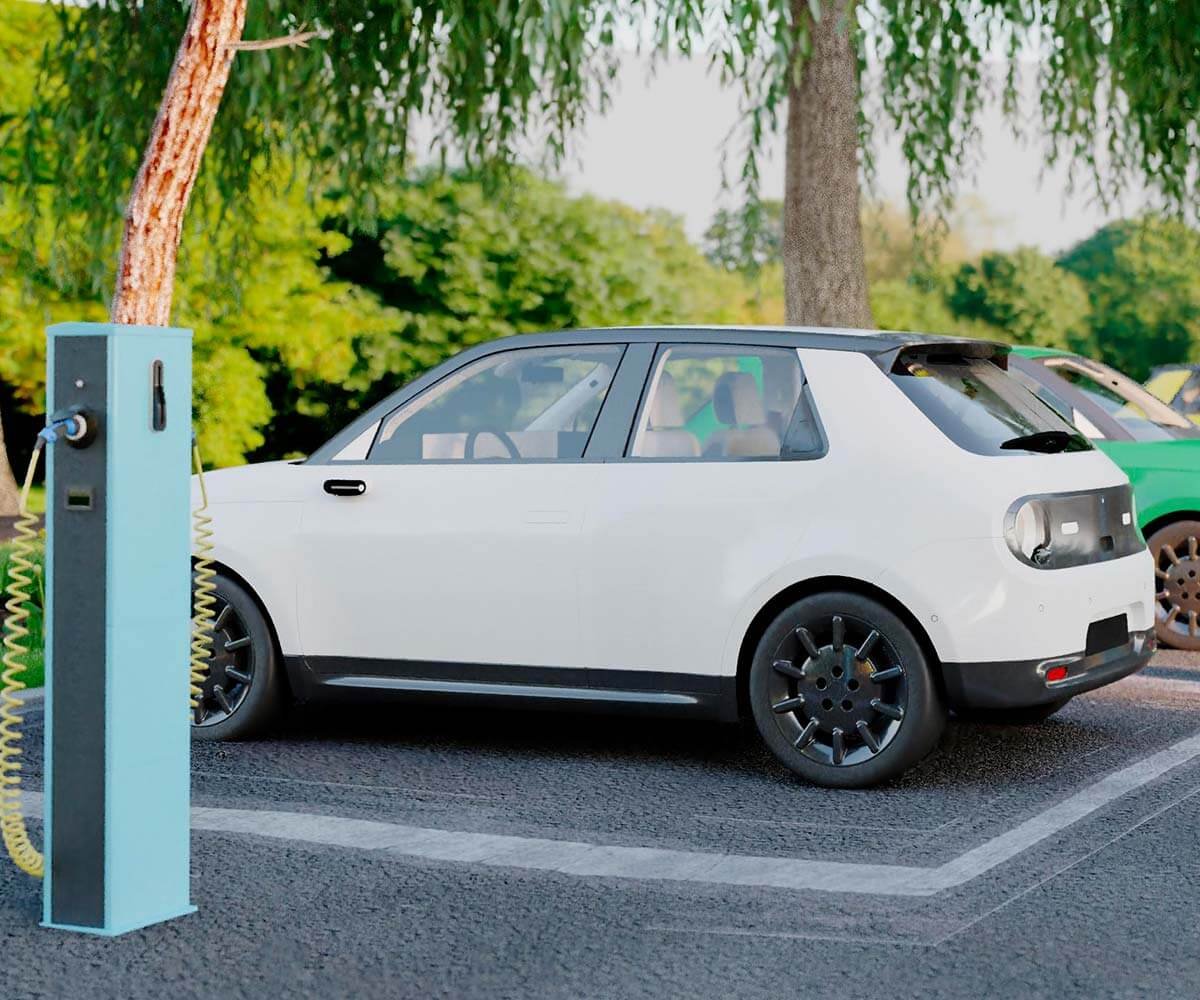
Hopefully several of my other blogs provide you some level of insights on this topic. Their eco-friendliness and cost-effectiveness make them the go-to options for moving short distances. However, for them to keep functioning, there is one fundamental thing to concentrate on — the charging! In this article, we’ll cover what you can do to charge electric scooters in layman’s terms. Whether you recently picked up an e-scooter, or simply want to read up on better charging methods, this guide should help.
Why Charging Matters
So in many ways, consider your electric scooter a smartphone. As your phone is dead without battery power, so is your scooter. Correct charging of your scooter insures good performance and longevity. Deteriorating battery capacity can lead to problems when the bike serves you in the middle of a ride—definitely not recommended!
Types of Charging Solutions
Standard Wall Chargers
Electric scooters usually have a standard wall charger included in the package. This is the way you are used to charging your scooter—simply stick it into a standard power outlet. It’s the same as charging your laptop or your phone. ChargerPaddle chargers are slow to charge your scooter, taking several hours to fully charge them, making them more suitable for overnight when you are not in a rush.
Fast Chargers
If waiting isn’t your forte, fast chargers are your buddies. Suitcases have the ability to charge your scooter in half the duration of a standard charger. But fast chargers can produce more heat that can damage your battery quicker than usual if they are used excessively. It’s similar to getting fast food — it’s convenient but that’s not something that you want to depend on all the time.
Portable Solar Chargers
Want to go green? Portable solar chargers make an excellent green option. While they’re slower and rely on sunlight, they work great for outdoorsy types or those who are frequently in sunny places. Plus, solar power helps you lower your carbon footprint!
Battery Swapping Stations
This is an emerging solution that is growing in usage in certain cities. Instead of letting your battery charge up, you switch it in for an fully powered one at a station. It’s like you’re returning an empty soda bottle to get a fresh one. Not everywhere has it yet, but it’s a game-changer for convenience.
Best Practices for Charging Your Electric Scooter
Use the Right Charger
Always use your scooter’s original charger or a manufacturer-recommended charger. Incompatible or inexpensive chargers can destroy the battery.
Avoid Overcharging
It might sound harmless to leave your scooter plugged in all night, but overcharging can reduce the lifetime of the battery over time. (Modern scooters do have an automatic cutoff for emergencies, nevertheless, it’s wise to double-check!
Detach From Your Device
Both extremely hot and extremely cold temperatures can damage your battery. Charging your scooter in a cool and dry place.
Don’t Let the Battery Die Completely
Unlike older generation batteries, modern lithium-ion batteries don’t need to be fully drained before you charge them. In fact, if you charge when you reach around 20-30% the life of the battery can be extended.
Common Mistakes to Avoid
Using Non-Compatible Chargers: It’s tempting to grab any charger that fits, but this can damage your battery.
Ignoring Warning Signs: If your battery takes too long to charge or loses power quickly, it might need servicing.
Charging in Unsafe Areas: Never charge your scooter near flammable materials or in wet areas—it’s dangerous!
The Importance of Getting the Right Charger
Consider your battery as the heart of your scooter. A well-maintained scooter will pay you back with smooth rides and improved durability. Good chargers may cost more upfront, but they will save you hassle — and money — over time. It’s sort of like buying good shoes — you pay a little more so that they don’t fall apart the first time you wear them.